
Engineered Timber
What is Engineered Timber Flooring?
Engineered timber flooring is a premium hard flooring solution designed to combine natural timber beauty with modern structural stability. It is constructed using a real hardwood veneer on the surface — most commonly European Oak or Australian species such as Blackbutt and Spotted Gum — supported by multiple layers of high-quality plywood beneath.
This layered construction allows the floor to deliver the warmth, texture, and authenticity of real timber, while performing more consistently than traditional solid timber flooring. As a result, engineered timber has become one of the most popular choices for high-end residential projects across Sydney and NSW.
FAQ about Engineered Timber Flooring
How Engineered Timber Is Made?
Unlike solid timber flooring, which is made from a single piece of wood, engineered timber is built as a multi-layer system. The top layer is a genuine hardwood veneer, providing the natural grain, colour variation, and character of real timber. Beneath this sits a plywood core made from cross-laminated layers, designed to improve stability and reduce movement.
This structure significantly limits issues such as excessive expansion, contraction, cupping, and warping — common challenges with solid timber floors — while still maintaining a natural timber appearance.
Why Choose Engineered Timber Flooring?
Engineered timber is chosen by homeowners who value aesthetics first, but still want a floor that performs reliably in modern living environments.
Compared to laminate or SPC flooring, it offers unmatched visual depth, natural grain variation, and a warmth that synthetic materials cannot fully replicate. At the same time, it is more stable and versatile than solid timber, allowing for wider boards, longer lengths, and use in a broader range of homes.
For many clients, this option represents the ideal balance between natural beauty and practical performance.
Is Engineered Timber Right for Your Home?
This flooring type is well suited to homeowners who prioritise design, texture, and a timeless interior look. It works particularly well in living areas, open-plan homes, and projects where the floor plays a key visual role in the overall design.
However, it is important to understand that engineered timber is not selected for extreme durability or water resistance. While it is suitable for everyday residential use, it requires more care than laminate or hybrid flooring and is best suited to households that are comfortable maintaining a natural material.
How Long Does Engineered Timber Flooring Last?
With proper installation and care, engineered timber flooring can last 20 to 40 years or more. Longevity depends on factors such as veneer thickness, product quality, installation method, and ongoing maintenance.
One advantage of higher-quality products is that thicker timber veneers may allow for light sanding and refinishing in the future, extending the life of the floor even further.
As with all flooring types, correct installation — including subfloor preparation, moisture control, and appropriate fixing methods — plays a major role in long-term performance.
What Affects Performance?
Several key factors influence how well engineered timber performs over time:
Veneer thickness
Thicker veneers generally offer better durability and potential for refinishing.Core construction
Multi-layer plywood cores provide better stability than lower-grade alternatives.Installation method
Depending on board size and site conditions, floors may be installed as floating floors or via direct stick. Wider and longer boards often benefit from direct stick installation for improved stability and sound performance.Environmental conditions
Like all timber products, engineered timber responds to changes in temperature and humidity, and these factors must be managed appropriately.
Cost of Engineered Timber Flooring in Sydney & NSW
As a general guide, engineered timber flooring pricing in Sydney typically ranges higher than laminate or hybrid flooring, reflecting the use of real timber and more complex installation requirements.
Final pricing varies depending on:
Timber species
Veneer thickness
Board size
Installation method
Subfloor condition
In most projects, additional costs may apply for subfloor preparation, levelling, adhesives, stairs, and finishing details. A detailed onsite assessment is always recommended for accurate budgeting. It typically ends up with something around $150~$200 per sqm.
Does Engineered Timber Add Value to a Home?
Yes — when chosen and installed well, engineered timber flooring can significantly enhance both the visual appeal and perceived value of a property.
Compared to carpet or basic hard flooring options, a well-finished timber floor often becomes a defining feature of the home. Neutral, well-balanced colour choices and consistent installation across living areas tend to have the strongest impact.
As with any material, poor product selection or low-quality installation can reduce value, so professional guidance is essential.
Where Can Engineered Timber Be Installed?
This flooring type is suitable for most dry internal living areas, including:
Living rooms
Dining areas
Bedrooms
Hallways
It is not recommended for wet areas such as shower bathrooms or locations with ongoing moisture exposure.
Engineered Timber Flooring Installed by Floorplan Studio
Floorplan Studio has extensive experience supplying and installing engineered timber flooring across Sydney and NSW. We understand the differences between timber species, veneer grades, core construction, and installation methods, and how these factors affect real-world performance.
Rather than focusing only on specifications, our team provides practical advice based on site conditions, lifestyle needs, and long-term expectations. From product selection and subfloor preparation to installation and finishing, Floorplan Studio delivers complete engineered timber flooring solutions designed to perform beautifully over time.
Descriptions
What Is Engineered Timber Flooring?
Engineered timber flooring is a premium hard flooring solution designed to combine natural timber beauty with modern structural stability. It is constructed using a real hardwood veneer on the surface — most commonly European Oak or Australian species such as Blackbutt and Spotted Gum — supported by multiple layers of high-quality plywood beneath.
This layered construction allows the floor to deliver the warmth, texture, and authenticity of real timber, while performing more consistently than traditional solid timber flooring. As a result, engineered timber has become one of the most popular choices for high-end residential projects across Sydney and NSW.
How Engineered Timber Is Made
Unlike solid timber flooring, which is made from a single piece of wood, engineered timber is built as a multi-layer system. The top layer is a genuine hardwood veneer, providing the natural grain, colour variation, and character of real timber. Beneath this sits a plywood core made from cross-laminated layers, designed to improve stability and reduce movement.
This structure significantly limits issues such as excessive expansion, contraction, cupping, and warping — common challenges with solid timber floors — while still maintaining a natural timber appearance.
Why Choose Engineered Timber Flooring?
Engineered timber is chosen by homeowners who value aesthetics first, but still want a floor that performs reliably in modern living environments.
Compared to laminate or SPC flooring, it offers unmatched visual depth, natural grain variation, and a warmth that synthetic materials cannot fully replicate. At the same time, it is more stable and versatile than solid timber, allowing for wider boards, longer lengths, and use in a broader range of homes.
For many clients, this option represents the ideal balance between natural beauty and practical performance.
Is Engineered Timber Right for Your Home?
This flooring type is well suited to homeowners who prioritise design, texture, and a timeless interior look. It works particularly well in living areas, open-plan homes, and projects where the floor plays a key visual role in the overall design.
However, it is important to understand that engineered timber is not selected for extreme durability or water resistance. While it is suitable for everyday residential use, it requires more care than laminate or hybrid flooring and is best suited to households that are comfortable maintaining a natural material.
How Long Does Engineered Timber Flooring Last?
With proper installation and care, engineered timber flooring can last 20 to 40 years or more. Longevity depends on factors such as veneer thickness, product quality, installation method, and ongoing maintenance.
One advantage of higher-quality products is that thicker timber veneers may allow for light sanding and refinishing in the future, extending the life of the floor even further.
As with all flooring types, correct installation — including subfloor preparation, moisture control, and appropriate fixing methods — plays a major role in long-term performance.
What Affects Performance?
Several key factors influence how well engineered timber performs over time:
-
Veneer thickness
Thicker veneers generally offer better durability and potential for refinishing. -
Core construction
Multi-layer plywood cores provide better stability than lower-grade alternatives. -
Installation method
Depending on board size and site conditions, floors may be installed as floating floors or via direct stick. Wider and longer boards often benefit from direct stick installation for improved stability and sound performance. -
Environmental conditions
Like all timber products, engineered timber responds to changes in temperature and humidity, and these factors must be managed appropriately.
Cost of Engineered Timber Flooring in Sydney & NSW
As a general guide, engineered timber flooring pricing in Sydney typically ranges higher than laminate or hybrid flooring, reflecting the use of real timber and more complex installation requirements.
Final pricing varies depending on:
-
Timber species
-
Veneer thickness
-
Board size
-
Installation method
-
Subfloor condition
In most projects, additional costs may apply for subfloor preparation, levelling, adhesives, stairs, and finishing details. A detailed onsite assessment is always recommended for accurate budgeting. It typically ends up with something around $150~$200 per sqm.
Does Engineered Timber Add Value to a Home?
Yes — when chosen and installed well, engineered timber flooring can significantly enhance both the visual appeal and perceived value of a property.
Compared to carpet or basic hard flooring options, a well-finished timber floor often becomes a defining feature of the home. Neutral, well-balanced colour choices and consistent installation across living areas tend to have the strongest impact.
As with any material, poor product selection or low-quality installation can reduce value, so professional guidance is essential.
Where Can Engineered Timber Be Installed?
This flooring type is suitable for most dry internal living areas, including:
-
Living rooms
-
Dining areas
-
Bedrooms
-
Hallways
It is not recommended for wet areas such as shower bathrooms or locations with ongoing moisture exposure.
Engineered Timber Flooring Installed by Floorplan Studio
Floorplan Studio has extensive experience supplying and installing engineered timber flooring across Sydney and NSW. We understand the differences between timber species, veneer grades, core construction, and installation methods, and how these factors affect real-world performance.
Rather than focusing only on specifications, our team provides practical advice based on site conditions, lifestyle needs, and long-term expectations. From product selection and subfloor preparation to installation and finishing, Floorplan Studio delivers complete engineered timber flooring solutions designed to perform beautifully over time.
Filter
Brand
Color Tone
Carpet Type
Carpet Fibre
Price
Thickness
Board Length
Carpet Thickness
Other Features
Active filters
Brand
Color Tone
Carpet Type
Carpet Fibre
Price
Thickness
Board Length
Carpet Thickness
Other Features
Active filters
Showing 1–50 of 184 resultsSorted by latest
Filter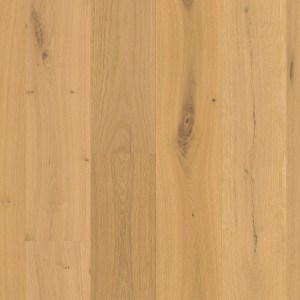


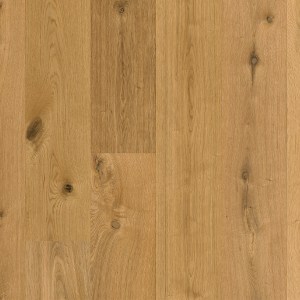


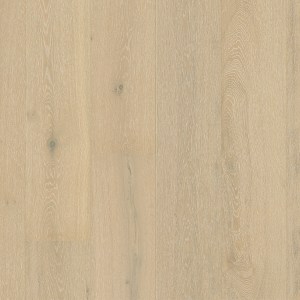

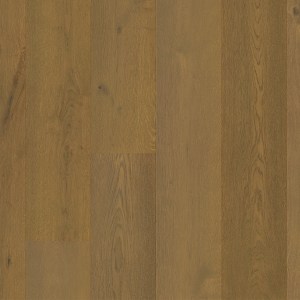


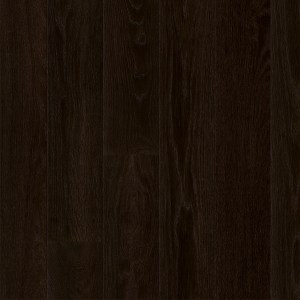


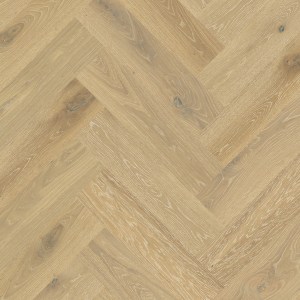
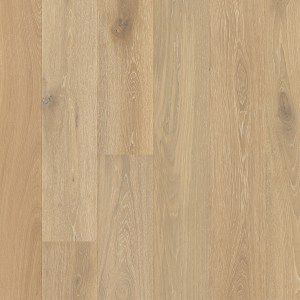

















What is Engineered Timber Flooring?
Engineered timber flooring represents the pinnacle of premium hard flooring, blending the luxury of wood with robust engineering.
Unlike traditional solid timber boards that are milled from a single piece of wood, engineered floorboards utilise an advanced, multi-layer construction where each distinct layer plays a distinct role.
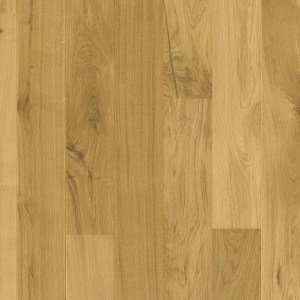
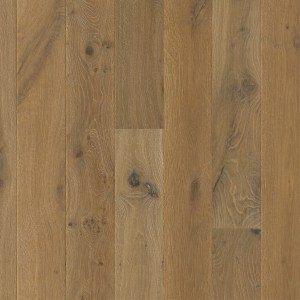
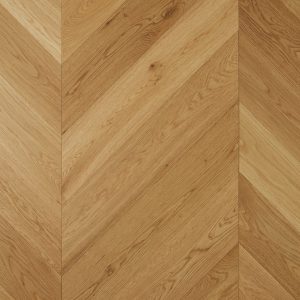
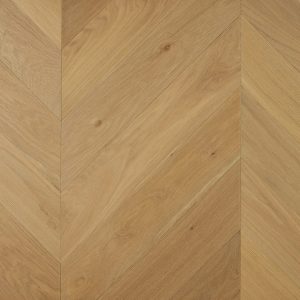
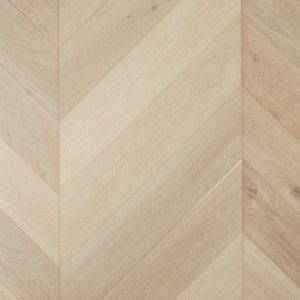
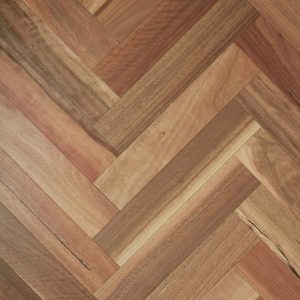
Floorplan Studio’s range spans European Oak through to Australian-grown Blackbutt and Spotted Gum, in an exclusive range of formats, thicknesses and brands. All certified for use over underfloor heating systems.
Engineered Timber Flooring Range at Floorplan Studio
At Floorplan Studio, we curate high-end options for Sydney’s finest residential and commercial spaces. Our catalogue is constantly updated to offer both local resilience and global elegance.
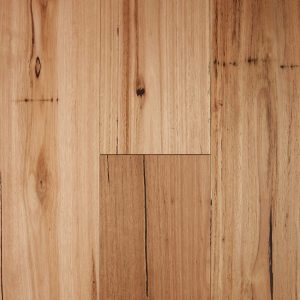
- Australian Blackbutt: Highly sought-after for its warm tones and exceptional durability thanks to the high Janka hardness rating. Perfect for bright, contemporary Australian homes.
- Australian Spotted Gum: Famous for versatile colour variations. Ranging from soft browns to deeper aesthetics accompanied by an assortment of patterns.
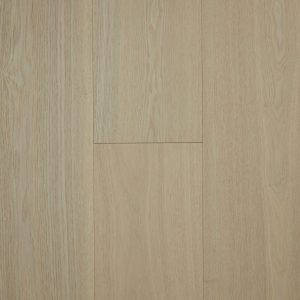
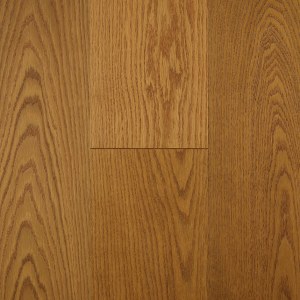
- Classic European Oak: A classic choice, it offers refined aesthetics in premium washes that anchor modern minimalist designs.
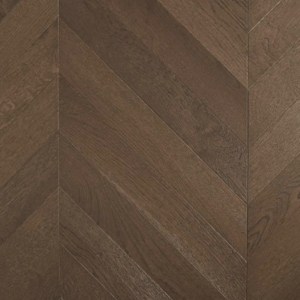
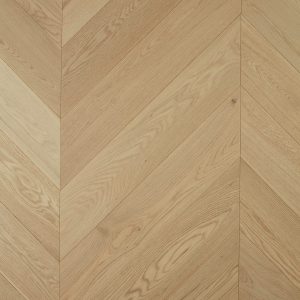
Our engineered boards are built for modern living, featuring extra-wide and extra-long plank options, striking parquetry patterns and reinforced by specialised surface treatments like Stain-Shield and Water-Shield coatings.
What is Grading in Engineered Timber Flooring?
At Floorplan Studio, your vision dictates the timber grade you choose.
- AB Grade (Premium/Select): Features minimal knots and high consistency. It remains the go-to choice for sleek, modern, and uninterrupted architectural spaces for Sydneysiders.
- ABC/ABCD Grade (Character): Embraces the timber’s organic roots with subtle knots, gum veins, and natural colour variations. Ideal for bringing warmth and authenticity to a room.
What are the Advantages of Choosing Engineered Timber Flooring?
The core USPs of choosing Engineered Timber Flooring from Floorplan Studio include:
- Unmatched Architectural Versatility: The rigid core allows for ultra-wide, extra-long boards that define luxury open-plan living.
- Eco-Conscious Luxury: Yields up to four times more flooring from a single hardwood tree.
- Instant Property Value Add: The visual character and features contribute to the resale value and buyer appeal of the property.
How Long Will Your Engineered Timber Floor Last?
When professionally installed and treated with care, a high-quality engineered timber floor is a generational investment, boasting a lifespan of 20 to 40+ years.
Its longevity is determined by three critical technical specifications:
- Veneer Thickness (Wear Layer): Premium boards feature a 2mm to 6mm hardwood top layer. A thicker wear layer (3mm+) allows the floor to be sanded and refinished multiple times, effectively resetting its lifespan.
- Core Grade: High-density, multi-layer Baltic birch or eucalyptus plywood cores structurally outperform cheaper MDF alternatives, preventing board failure over time.
- UV Surface Coatings: Factory-applied, multi-coat UV lacquers or natural oils provide immediate resistance against daily micro-scratches and fading.
What are the Installation Methods Available?
The way your floor is laid dictates how it feels, sounds, and performs. At Floorplan Studio, we specialise in two primary methods:
Direct Stick (Glue-Down) – Highly Recommended for Luxury Builds
- How it works: Boards are permanently bonded to the subfloor using premium, low-VOC acoustic adhesives.
- Your advantage: Delivers a sturdy underfoot, reduced hollow echoing to deliver excellent acoustic performance and minimised natural expansion gaps. Ideal for extra-wide boards and large, continuous spaces.
Floating Floor Installation – Best for Renovations & Apartments
- How it works: Boards are clicked or glued together at the joints, floating over a high-density acoustic underlay.
- Your advantage: Faster installation, highly cost-effective and excellent for multi-level apartments where strict acoustic underlays are mandated by strata.
Where Can It Go, And Does It Work With Underfloor Heating?
Engineered timber suits living rooms, dining areas, bedrooms, hallways and open-plan spaces.
Some products are rated for hydronic underfloor heating, but Engineered Timber Flooring isn’t recommended for wet areas such as bathrooms.
How Do You Maintain Engineered Timber Flooring?
Engineered timber is surprisingly easy to live with, provided you follow a few golden rules to protect the natural hardwood veneer.
Taking care of your Engineered Timber Flooring:
DO vacuum regularly with a soft-bristle hardwood attachment to remove abrasive grit.
DO clean with a damp microfibre mop using a pH-neutral, timber-specific cleaner.
DO install heavy-duty felt pads to the legs of all furniture, chairs and tables.
DON’T use a steam mop as it can destroy your product surface and void its warranty.
DON’T apply non-specific cleaners or ordinary detergents.
DON’T let spills sit. Wipe up water, wine, or pet accidents immediately.
Which Flooring Accessories Ensure a Flawless Finish?
A luxury floor can be upgraded with a range of flooring accessories. At Floorplan Studio, we offer premium accessories to deliver a complete look:
- Scotia Moulding (22mm x 22mm x 2.4m): Essential for elegantly disguising the required expansion gaps around perimeters and cabinetry.
- Architectural L Trims (25mm x 8mm x 2.7m): Sleek, minimalist metal edge-trims that provide clean transitions against sliding doors, window frames or exposed edges.
- Flat Cover Transitions (2.7m Length): Seamless metal profiles used to join different surfaces like tile to timber.
What Does Engineered Timber Cost In Sydney, Supply And Install?
Pricing depends on species, thickness and format. As a general Sydney guide, expect roughly $130 to $200 per square metre supplied and installed. And while this figure is subject to various parameters, subfloor levelling, old floor removal and trims are quoted separately.
What drives its cost?
Pricing fluctuates based on the timber species, the thickness of the wear layer, board width and the installation method. At Floorplan Studio, we provide detailed on-site assessments to support our quote and uphold the trust and transparency we offer.
Why Engineered Timber Flooring from Floorplan Studio?
Although we are all about premium surfaces, our expertise goes far deeper than that. When uncompromising architectural quality is your goal over cheap quick-fixes, Floorplan Studio welcomes you to our Thornleigh showroom.
At Floorplan Studio, we engineer bespoke flooring products that transform your spaces into high-yield real estate assets.
Like to explore other options from Floorplan Studio? Visit our Laminate Flooring and Hybrid Flooring range and upgrade them with our Luxury Carpets.
FAQ about Engineered Timber Flooring
How Engineered Timber Is Made?
Unlike solid timber flooring, which is made from a single piece of wood, engineered timber is built as a multi-layer system. The top layer is a genuine hardwood veneer, providing the natural grain, colour variation, and character of real timber. Beneath this sits a plywood core made from cross-laminated layers, designed to improve stability and reduce movement.
This structure significantly limits issues such as excessive expansion, contraction, cupping, and warping — common challenges with solid timber floors — while still maintaining a natural timber appearance.
Why Choose Engineered Timber Flooring?
Engineered timber is chosen by homeowners who value aesthetics first, but still want a floor that performs reliably in modern living environments.
Compared to laminate or SPC flooring, it offers unmatched visual depth, natural grain variation, and a warmth that synthetic materials cannot fully replicate. At the same time, it is more stable and versatile than solid timber, allowing for wider boards, longer lengths, and use in a broader range of homes.
For many clients, this option represents the ideal balance between natural beauty and practical performance.
Is Engineered Timber Right for Your Home?
This flooring type is well suited to homeowners who prioritise design, texture, and a timeless interior look. It works particularly well in living areas, open-plan homes, and projects where the floor plays a key visual role in the overall design.
However, it is important to understand that engineered timber is not selected for extreme durability or water resistance. While it is suitable for everyday residential use, it requires more care than laminate or hybrid flooring and is best suited to households that are comfortable maintaining a natural material.
How Long Does Engineered Timber Flooring Last?
With proper installation and care, engineered timber flooring can last 20 to 40 years or more. Longevity depends on factors such as veneer thickness, product quality, installation method, and ongoing maintenance.
One advantage of higher-quality products is that thicker timber veneers may allow for light sanding and refinishing in the future, extending the life of the floor even further.
As with all flooring types, correct installation — including subfloor preparation, moisture control, and appropriate fixing methods — plays a major role in long-term performance.
What Affects Performance?
Several key factors influence how well engineered timber performs over time:
Veneer thickness
Thicker veneers generally offer better durability and potential for refinishing.Core construction
Multi-layer plywood cores provide better stability than lower-grade alternatives.Installation method
Depending on board size and site conditions, floors may be installed as floating floors or via direct stick. Wider and longer boards often benefit from direct stick installation for improved stability and sound performance.Environmental conditions
Like all timber products, engineered timber responds to changes in temperature and humidity, and these factors must be managed appropriately.
Cost of Engineered Timber Flooring in Sydney & NSW
As a general guide, engineered timber flooring pricing in Sydney typically ranges higher than laminate or hybrid flooring, reflecting the use of real timber and more complex installation requirements.
Final pricing varies depending on:
Timber species
Veneer thickness
Board size
Installation method
Subfloor condition
In most projects, additional costs may apply for subfloor preparation, levelling, adhesives, stairs, and finishing details. A detailed onsite assessment is always recommended for accurate budgeting. It typically ends up with something around $150~$200 per sqm.
Does Engineered Timber Add Value to a Home?
Yes — when chosen and installed well, engineered timber flooring can significantly enhance both the visual appeal and perceived value of a property.
Compared to carpet or basic hard flooring options, a well-finished timber floor often becomes a defining feature of the home. Neutral, well-balanced colour choices and consistent installation across living areas tend to have the strongest impact.
As with any material, poor product selection or low-quality installation can reduce value, so professional guidance is essential.
Where Can Engineered Timber Be Installed?
This flooring type is suitable for most dry internal living areas, including:
Living rooms
Dining areas
Bedrooms
Hallways
It is not recommended for wet areas such as shower bathrooms or locations with ongoing moisture exposure.
Engineered Timber Flooring Installed by Floorplan Studio
Floorplan Studio has extensive experience supplying and installing engineered timber flooring across Sydney and NSW. We understand the differences between timber species, veneer grades, core construction, and installation methods, and how these factors affect real-world performance.
Rather than focusing only on specifications, our team provides practical advice based on site conditions, lifestyle needs, and long-term expectations. From product selection and subfloor preparation to installation and finishing, Floorplan Studio delivers complete engineered timber flooring solutions designed to perform beautifully over time.