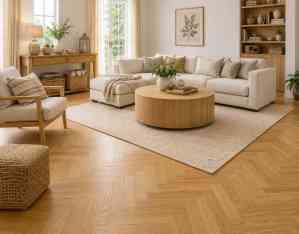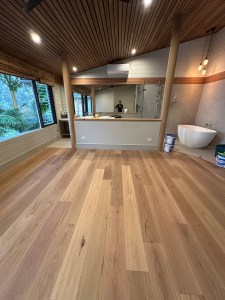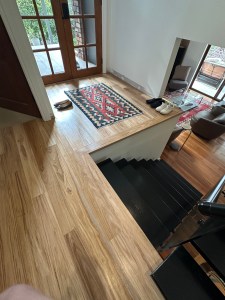
Comparing vinyl vs laminate flooring comes down to how you use your rooms. Go with vinyl if you are renovating kitchens and need a softer underfoot experience. Alternatively, opt for laminate flooring if superior scratch resistance, authentic timber look, and budget-friendly pricing are your main priorities.

In this article, we expand more on these and help you choose the best option for your home.
Understanding Vinyl Flooring
Constructed using multiple layers, vinyl flooring typically features a protective wear layer, a decorative layer, and a waterproof core that helps withstand daily household demands.
What you must know: While costs vary based on product quality, preparation requirements, and floor size, vinyl generally offers excellent value considering its longevity and low-maintenance.
Understanding Laminate Flooring
Laminate flooring combines a durable wear layer and a high-density fibreboard core. What sets apart an ordinary from the best laminate flooring is its realism, textures, and scratch resistance.
What you must know: Laminate remains a popular choice throughout Sydney’s suburbs. This is where homeowners get the appeal of timber flooring minus the cost of hardwood products.
Vinyl vs Laminate Flooring: The Key Differences
The debate of vinyl vs laminate flooring often confuses the homeowners. This is where learning about the deeper parameters helps.
- Water Resistance
This is often the biggest deciding factor.
Vinyl flooring is designed to handle moisture far better than traditional laminate products. This makes it particularly suitable for kitchens, laundries, entryways, and homes where spills occur regularly.
And while laminate flooring has improved significantly, prolonged exposure to standing water can cause swelling or damage to certain products.
Winner: Vinyl Flooring
- Resistance Against Scratches
Vinyl offers impressive general resilience, but laminate is arguably the better choice here.
This is because laminate flooring performs exceptionally well against scratches from furniture, pets, and heavy foot traffic.
Winner: Laminate Flooring
- Underfoot Comfort
Sydneysiders are increasingly prioritising comfort so why should flooring be left out?
This is where vinyl tends to feel softer due to its flexible construction. It also absorbs impact better, making it a comfortable option for children and older residents.
Laminate feels firmer and more closely resembles the experience of walking over traditional timber flooring.
Winner: Depends on personal preference
- Material Durability
Vinyl flooring performs particularly well in areas exposed to moisture and a demanding environment.
Laminate flooring, meanwhile, can maintain its realistic timber look for many years when installed in dry environments and are properly cared for.
Winner: Tie
- Noise Suppression
If you’re renovating an apartment, you know how much the underfoot acoustics matter. This is where the varying thuds created by footsteps can be a concern for some.
Vinyl flooring generally produces less noise when walked on and can help reduce sound transfer between rooms.
Laminate can sometimes create a harder, more echo-prone surface unless paired with quality underlay or carpets.
Winner: Vinyl Flooring
- Budget Renovations
It is no secret that cost becomes a major factor when covering expansive rooms, open-plan living spaces, or even multiple rooms.
Laminate flooring can be a very cost-effective solution for larger homes, especially when the goal is to achieve a premium flooring without stretching the budget too far.
You’ll find vinyl flooring competitively priced too, but homeowners prefer laminate flooring when comparing value across bigger floor areas.
Winner: Laminate Flooring
Quick Tips To Choose The Best Flooring Option
When you’re renovating or building from scratch, the right expertise becomes invaluable. Below are quick tips from Floorplan Studio experts to help you plan better:
- We suggest checking your subfloor first, because flexible vinyl planks require a perfectly flat surface, influencing your overall upgradation project.
- If your subfloor has minor imperfections, rigid laminate boards can often float over those variations smoothly, offering a highly cost-effective path.
- For spaces with large north-facing windows, enquiring about the fade resistance of laminates could help protect your investment from harsh afternoon sun.
- For households with active pets, looking at high-quality laminate flooring could be useful, as its rigid surface layer offers excellent scratch resistance.
- Homeowners aiming for a continuous, uninterrupted look across massive spaces often explore vinyl flooring, since it requires fewer expansion gaps between rooms.
- If your floor plan connects the kitchen and laundry, vinyl flooring can handle those everyday spills and splashes with ease.
Which Flooring Should You Choose?
Ultimately, the choice between vinyl flooring and laminate flooring depends on how you use your home and which qualities matter most to you.
If water resistance, comfort, and ease of maintenance are your priorities, vinyl flooring is often the stronger choice. If scratch resistance, realism, and affordability are at the top of your list, laminate flooring continues to offer exceptional value.
No matter the choice, testing them in-person is the smartest way to finalise. So, if you want to schedule a demo session to learn about laminate or want a quote on vinyl flooring supply and install price, head to our exclusive outlet at Thornleigh where we answer all your questions.
At Floorplan Studio, our extensive range of flooring options and exotic carpets promise to bring any room to life with a distinct persona.
FAQs
Q. What is the difference between vinyl flooring and laminate flooring?
Vinyl is a synthetic flooring option designed for moisture resistance, while laminate has a wood-fibre core with a printed decorative surface, giving it a very realistic timber look but less tolerance for water.
Q. What rooms are best suited to vinyl flooring?
Vinyl flooring performs particularly well in kitchens, laundries, entryways, bathrooms, and open-plan living areas where moisture and heavy daily use are common.
Q. What rooms are best suited to laminate flooring?
Laminate flooring is an excellent option for bedrooms, living rooms, hallways, and home offices where moisture exposure is minimal.
Q. Is vinyl flooring good for homes with pets?
Yes. Vinyl flooring is a popular choice for pet owners because it is easy to clean, moisture-resistant, and comfortable underfoot. It also handles muddy paws and occasional accidents well.
Q. Does laminate flooring scratch easily?
No. In fact, laminate flooring is often chosen specifically for its excellent scratch resistance, making it ideal for homes with pets, children, and high foot traffic.
Q. Can vinyl flooring be installed over existing tiles?
In many cases, yes. However, the existing surface must be level, stable, and free from major imperfections. Professional assessment is always recommended before installation.
Q. How do I choose between vinyl and laminate flooring?
Start by considering moisture exposure, household traffic, pets, budget, and the appearance you want to achieve. Visiting our showroom and comparing products side by side can make your decision much easier.
Q. What are the signs of best laminate flooring?
Sydney’s best laminate flooring stands out through exceptional scratch resistance against daily wear and an incredibly authentic timber appearance. It features a straightforward click-lock system for seamless installation and offers a wide variety of colours and plank styles to suit your home.
Q. What should a high quality vinyl flooring offer?
Premium vinyl flooring must be highly water-resistant, making it perfect for moisture-prone areas. It should also offer a comfortable feel underfoot, run much quieter than traditional hardwood flooring, and stay incredibly easy to clean and maintain daily.
Q. Which flooring looks most like real timber?
Laminate flooring is often considered the closest alternative to natural timber thanks to its realistic grain patterns, textured finishes, and authentic plank designs. However, premium vinyl flooring products have also become increasingly realistic in recent years as well.