
Choosing the best vinyl flooring comes down to balancing aesthetic appeal with utility that doesn’t wear out with time. With options that allow floor heating and embossed visuals, to textured and water-resistant features, we know how overwhelming this upgrade can get.
To help you decide, Floorplan Studio brings you a 1-2-3 guide that makes it super easy for you.
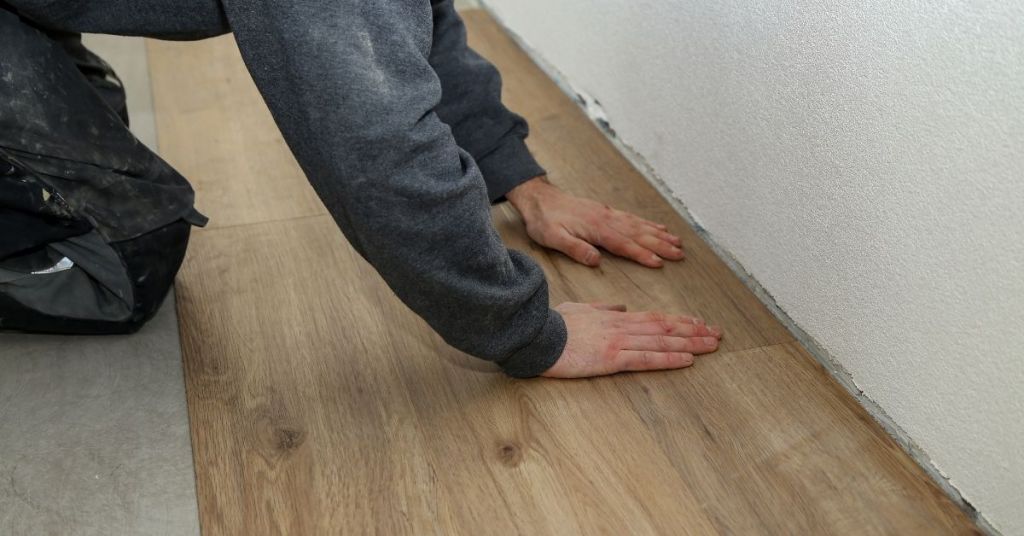
Vinyl Flooring: What it is and What it isn’t
Unlike traditional timber, modern luxury vinyl is waterproof and highly resistant to scratches caused by pets or high heels.
It provides a soft, warm feel underfoot that remains comfortable year-round, making it a versatile foundation for any room.
However, we know how the term gets used quite loosely where it can be actually referring to:
- Luxury Vinyl Plank (LVP), where long planks mimicking timber are built on a rigid or semi-rigid core.
- Luxury Vinyl Tile (LVT) with similar build but in tile format that replicates stone or concrete.
- Sheet vinyl is your old-school roll format with no seams.
- Loose-lay vinyl features a friction-grip backing, no locking mechanism, and no glue.
But what it isn’t? laminate. Laminate uses an HDF core and cannot handle moisture the way vinyl flooring can.
Choosing the Right Vinyl Flooring Begins with the Thickness
Standard or thin? Does vinyl thickness actually matter? The short answer is yes, but not always in the way people expect.
Thickness affects how the floor feels underfoot, how well it bridges minor subfloor imperfections, and how it performs over time.
Standard thickness:
- Better tolerance of uneven or imperfect subfloors, which is common in older Sydney homes.
- Suitable for hallways and anywhere with sustained foot traffic.
- More solid underfoot and less hollow sound when walked upon.
Thin profile:
- Better suited to rooms where door clearance is tight.
- Often easier and faster to install, which affects labour cost.
- Appropriate for bedrooms, studies, and secondary rooms with lighter traffic.
More importantly, thin profiles can flex under foot pressure on timber frames, and the locking joints eventually fatigue.
It Also Depends on the Board Length
This is a decision most buyers don’t even know they’re making until they’re standing in a room wondering why it doesn’t look like the display.
Long boards:
- You see fewer end joints across the length of a room.
- Better suited to open-plan living, dining areas, and long hallways.
- Creates a sense of expanded space, particularly in rooms that are wide but not especially deep.
Standard boards:
- More versatile to work in rooms of any proportion.
- Easier to handle during installation, particularly in rooms with lots of angles, built-ins, or obstacles.
- Better visual scale in smaller rooms.
🪵Floorplan Studio Insights: If the room is under 20m², standard board length can be considered. Larger open-plan spaces (common in new builds and knock-through renovations) tend to benefit from a long plank format.

These Features Can Help You Filter Smartly
After thickness and length, it comes down to what you actually need your luxury vinyl flooring to provide. Let’s understand it through some questions that Sydneysiders ask.
Is Vinyl Flooring Compatible with Floor Heating?
Not all vinyl flooring is compatible with floor heating as the issue is thermal output. If there’s too much heat from below causes cheaper vinyl to expand unevenly.
What Does Embossed Visuals Mean?
Standard vinyl flooring relies on a generic emboss where it looks like timber but feels like plastic. With EIR or Embossed-in-register, you get a floor that even responds to touch the way timber does with its grain lines.
What is Parquet Format?
This is one of the most interesting formats when used correctly. Rather than the standard plank, parquet involves arranging smaller pieces into geometric patterns such as herringbone, basket weave, or block.
But, Will Textures Affect its Performance?
A textured finish improves slip resistance and hides surface scratches more effectively than a high-gloss or lightly embossed finish. This is where micro-abrasions don’t reflect light as much.
🪵Floorplan Studio Insights: The trade-off is that textured surfaces are marginally harder to clean if grit gets into the surface grain.
Want to See These in Action?
Textures, lengths, and underfoot feel are impossible to judge from a photograph. This is especially true if you’re deciding between a textured and smooth finish, or trying to match an existing floor of your favourite room.
But you don’t have to struggle anymore! Just request a quick demo at 0468 336 305 or drop in some questions on luxury vinyl flooring at info@floorplanstudio.com.au
With Floorplan Studio, you get an incredible range of vinyl flooring from Camaro PUR and Karndean LooseLay Longboard along with its Original variant. Head here to know the most trending styles of 2026.

FAQs
Q. Can vinyl flooring be installed directly over existing ceramic tiles?
Yes, installation over tiles is possible provided the surface is level, clean, and structurally sound. It is essential to fill wide grout lines with a levelling compound to prevent the tile pattern from telegraphing through the new planks over time.
Q. How does the intense Australian sun affect the colour of these floors?
Prolonged exposure to UV rays can cause fading in any material. When selecting a product, ensure it features a high-grade UV-resistant top coat. Additionally, using sheer curtains or UV-rated window films during peak summer hours helps preserve the vibrance.
Q. Is vinyl flooring a better choice than hybrid flooring for coastal beach houses?
Yes, vinyl is the superior choice for coastal homes with direct sun exposure. This is because hybrid SPC can expand significantly under intense heat and can potentially lead to buckling. Vinyl, on the other hand, can handle these temperature fluctuations much better because it remains securely bonded to the subfloor.
Q. Can steam mops be used on modern vinyl planks?
No. Its intense heat and pressurised moisture can weaken the adhesive bonds or penetrate the joints of the planks, leading to peaking or delamination. A damp microfibre mop is your safer option.